|
$$PLAIN_TEXT_PREVIEW$$
|
A unique community update for those interested in vector-borne diseases in New England.
|
|
|
|
Tue, Aug 5
Written by Valerie MacDonald, Mason Palmer, Emma Vollucci, Dr. Alexis White, and Dr. Tom Mather |
|
|
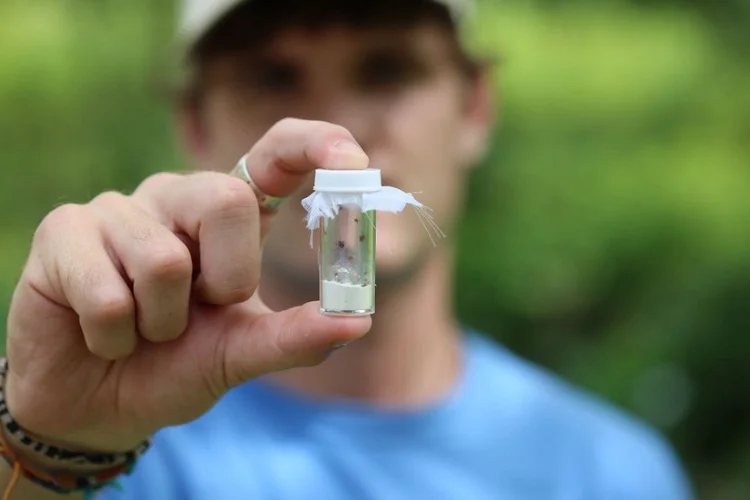
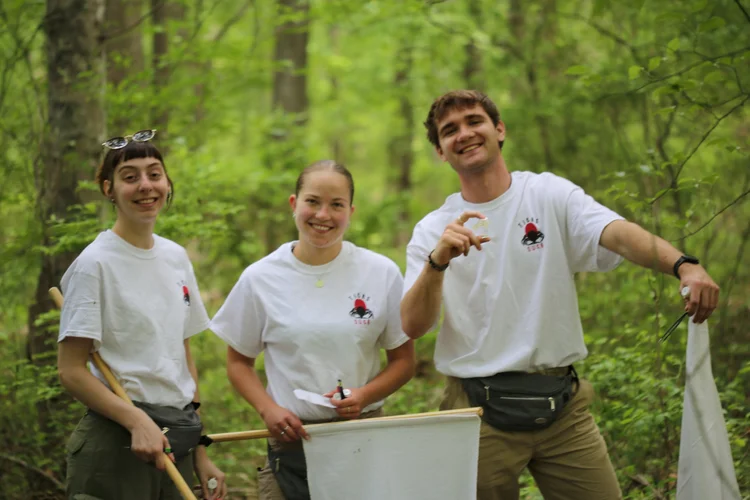
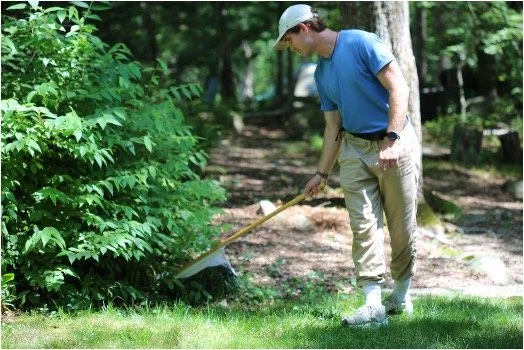
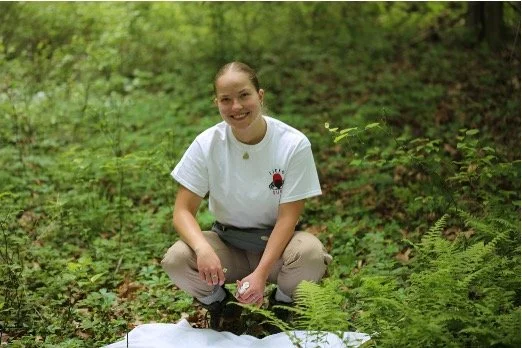
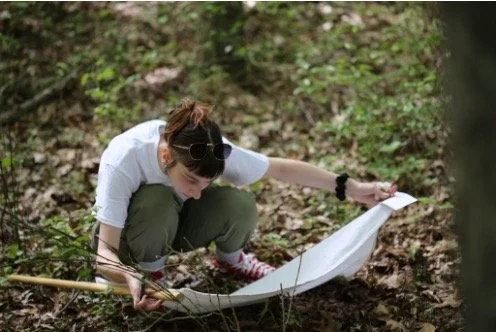
Ticks are tiny, but their impact on public health and wildlife is enormous. This summer, three University of Rhode Island students—Valerie MacDonald, Mason Palmer and Emma Vollucci—dove into the world of tick ecology and tick control as interns with NEWVEC’s Project ITCH (Is Tick Control Helping). Their experiences provided a unique window into how science, community outreach, and public health come together to tackle the challenges posed by ticks.
|
Did you treat your clothes and boots with permethrin this spring? It may be time to retreat them for the remaining warm months. At-home permethrin treatments are excellent protection against ticks, but they need to be reapplied after a few washes. Tick bites are preventable. Carefully check for ticks and use repellents that contain DEET or acaricides like permethrin. Learn how HERE. Have you found any ticks this year? Tell us about it at the link below. |
|

|
|
A note from the CDC’s Epidemiology and Laboratory Capacity (ELC) program:
|
|
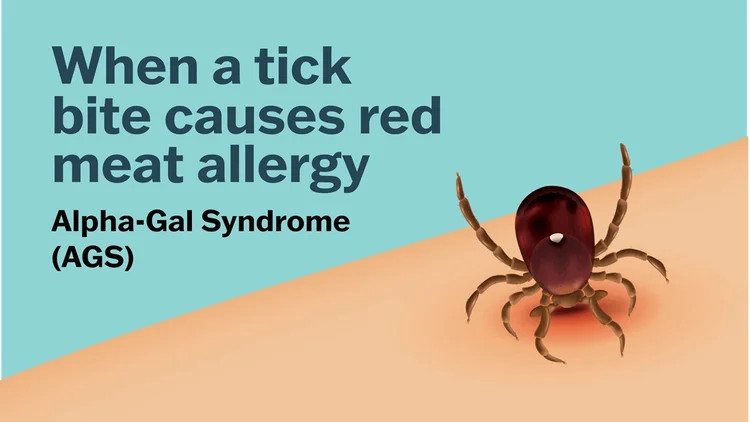
To help increase awareness of alpha-gal syndrome (AGS) and more rapidly diagnose patients in the United States, CDC just released a new free online training module for healthcare providers (HCPs), epidemiologists, and public health officials. The training includes opportunities for FREE continuing education in seven professional categories—CME, CNE, CEU, AAPA, CECH, AAVSB/RACE, CPE, and CPH—providing educational credit for physicians, nurses, pharmacists, physician assistants, veterinarians, nurses, epidemiologists, public health professionals, educators, and health communicators. |
|
|
|
Cervid–Vector Ecology Research Station
|
|
|
|
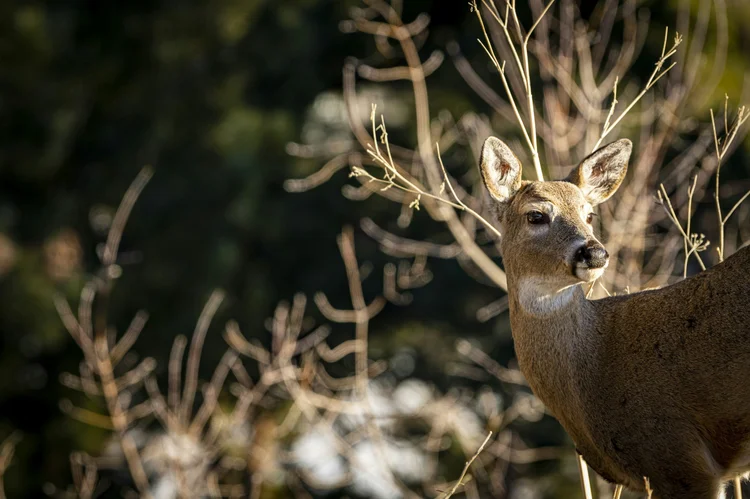
It is a busy time at C–VERS. The middle of summer is when we can expect new animals to be placed through our collaboration with MassWildlife. Once in our facility, the animals are cared for by NEWVEC researchers and will help in our goal of reducing the abundant populations of medically important ticks that feed on deer. CLICK HERE TO LEARN MORE All C–VERS investigations are performed in compliance with local, state, and federal law and with oversight from the UMass Institutional Animal Care and Use Committee (IACUC), MassWildlife, and United States Department of Agriculture (USDA). All photos of cervids on this page are Squarespace stock images.
|
NEWVEC at the Vermont Wildlife and Disease Ecology Conference
|
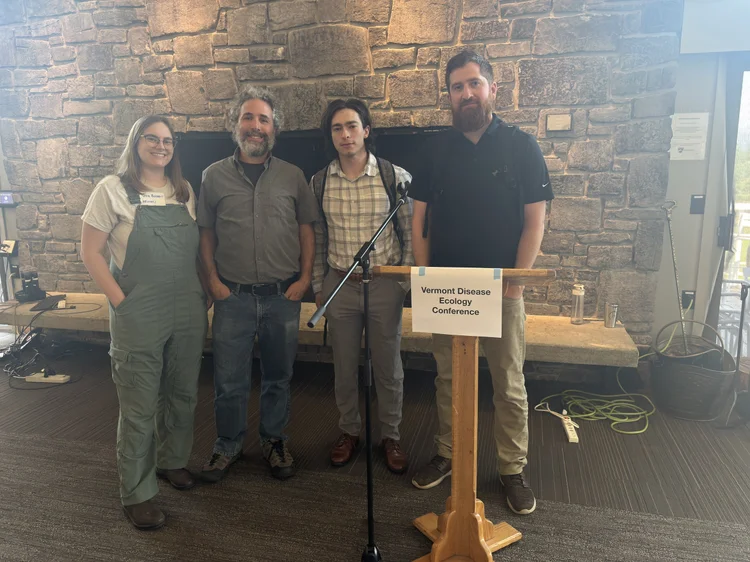
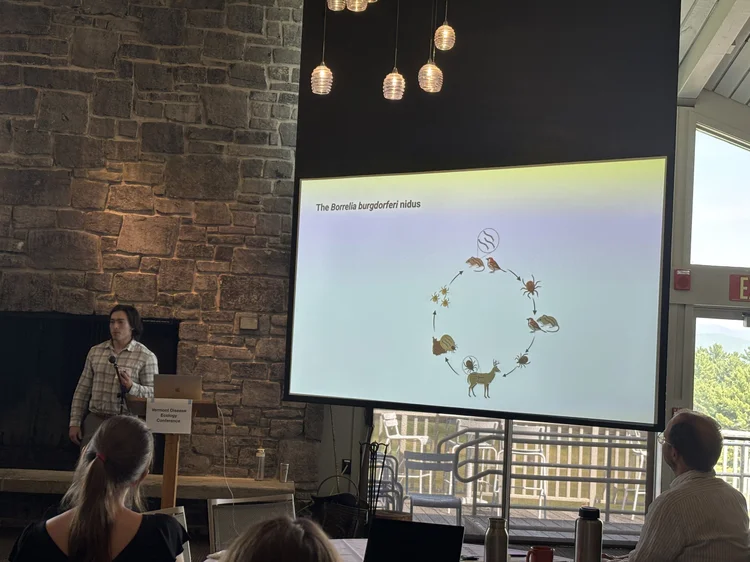
There were several NEWVEC presentations at the 8th annual Vermont Wilidlife and Disease Ecology meeting held in Middlebury, VT. Two of the research teams included several Vermont State University (VTSU) undergraduates. Talks included: “White-tailed deer blood components kill the Lyme disease spirochete, Borrelia burgdorferi” by Patrick Pearson (UMass, NEWVEC), Guang Xu, Mileena Ryan, Martin Feehan, Stephen M Rich. |
|
|
|
“Re-assessment of modeling complexities connecting acorns to Lyme disease” by Eric Siegel (UMass, NEWVEC, Royal Veterinary College), Guang Xu, Stephen M Rich. |
|
|
|
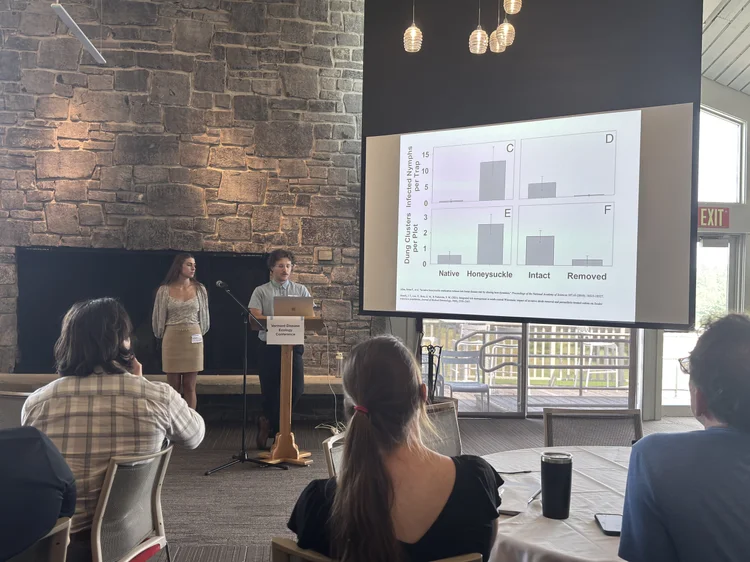
“Comparing Ixodes scapularis nymph densities within densely invaded and uninvaded understory communities within privately owned woodlands in Rutland County, Vermont” by Kaylo Stevenson (VTSU Castleton), Alexandra Williams (VTSU Castleton), Kristen Ross (VTSU Castleton), William Landesman (VTSU Johnson). |
|
|
|
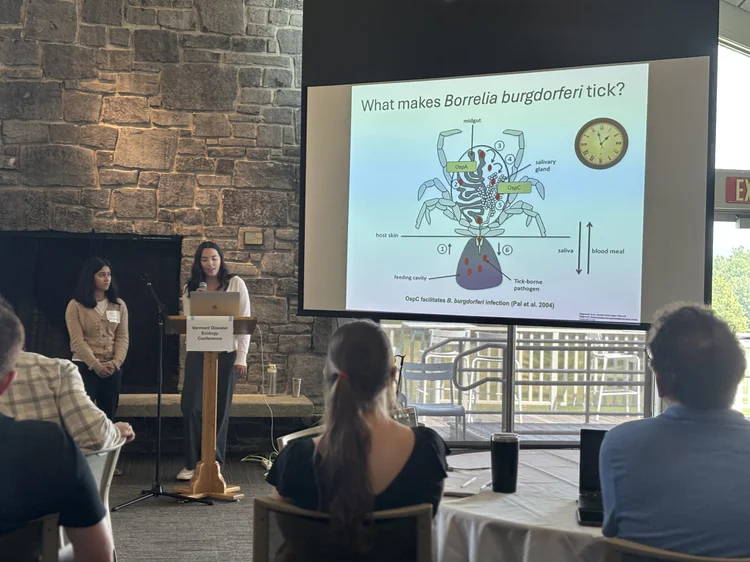
“OspC variant identification of Borrelia burgdorferi samples; DETECTR VS Nanopore sequencing” by Samantha E Bedore (VTSU Johnson), Maya C Suarez (VTSU Johnson), Taylor R Hudson, Matthew S Hayden, William J Landesman (VTSU Johnson). |
|
|
|

|
Community OutreachIn late July, Dr. Rich, Executive Director of NEWVEC, and Mileena Ryan, NEWVEC Research Technician, reviewed Project ITCH with participating residents and the public at the Centerville Public Library and Falmouth Public Library, both on Cape Cod. On August 5th, Dr. Rich presented “Envisioning New England After Lyme Disease” at the 42nd Annual School Nurse Conference in Manchester, New Hampshire. |
|
|

|
Can NEWVEC help you and your community stay aware of trends in vector-borne diseases this year? Arrange a community tick safety presentation with us! |
|
|
“Dead deer do tell tales…”
|
|
William Landesman from Vermont State University, and a co-investigator with NEWVEC, is the lead author on a new article published in the Journal of Medical Entomology last month. Read “Dead deer do tell tales: infestation of road-killed white-tailed deer by juvenile Ixodes scapularis (Ixodida: Ixodidae) ticks” at this link.
|
Know someone who would like to receive this newsletter? Send them to the link below!
|
|
|
|