|
A community update for those interested in vector-borne diseases in New England. ͏ ͏ ͏ ͏ ͏ ͏ ͏ ͏ ͏ ͏ ͏ ͏ ͏ ͏ ͏ ͏ ͏ ͏ ͏ ͏ ͏ ͏ ͏ ͏ ͏ ͏ ͏ ͏ ͏ ͏ ͏ ͏ ͏ ͏ ͏ ͏ ͏ ͏ ͏ ͏ ͏ ͏ ͏ ͏ ͏ ͏ ͏ ͏ ͏ ͏ ͏ ͏ ͏ ͏ ͏ ͏ ͏ ͏ ͏ ͏ ͏ ͏ ͏ ͏ ͏ ͏ ͏ ͏ ͏ ͏ ͏ ͏ ͏ ͏ ͏ ͏ ͏ ͏ ͏ ͏ ͏ ͏ ͏ ͏ ͏ ͏ ͏ ͏ ͏ ͏ ͏ ͏ ͏ ͏ ͏ ͏ ͏ ͏ ͏ ͏ ͏ ͏ ͏ ͏ ͏ ͏ ͏ ͏ ͏ ͏ ͏ ͏ ͏ ͏ ͏ ͏ ͏ ͏ ͏ ͏ ͏ ͏ ͏ ͏ ͏ ͏ ͏ ͏ ͏ ͏ ͏ ͏ ͏ ͏ ͏ ͏ ͏ ͏ ͏ ͏ ͏ ͏ ͏ ͏ ͏ ͏ ͏ ͏ ͏ ͏ ͏ ͏ ͏ ͏ ͏ ͏ ͏ ͏ ͏ ͏ ͏ ͏ ͏ ͏ ͏ ͏ ͏ ͏ ͏ ͏ ͏ ͏ ͏ ͏ ͏ ͏ ͏ ͏ ͏ ͏ ͏ ͏ ͏ ͏ ͏ ͏ ͏ ͏ ͏ ͏ ͏ ͏ ͏ ͏ ͏ ͏ ͏ ͏ ͏ ͏ ͏ ͏ ͏ ͏ ͏ ͏ ͏ ͏ ͏ ͏ ͏ ͏ ͏ ͏ ͏ ͏ ͏ ͏ ͏ ͏ ͏ ͏ ͏ ͏ ͏ ͏ ͏ ͏ ͏ ͏ ͏ ͏ ͏ ͏ ͏ ͏ ͏ ͏ ͏ ͏ ͏ ͏ ͏ ͏ ͏ ͏ ͏ ͏ ͏ ͏ ͏ ͏ ͏ ͏ ͏
A community update for those interested in vector-borne diseases in New England.
|
|
This newsletter might get cut short by your email program. View it in full here.
|
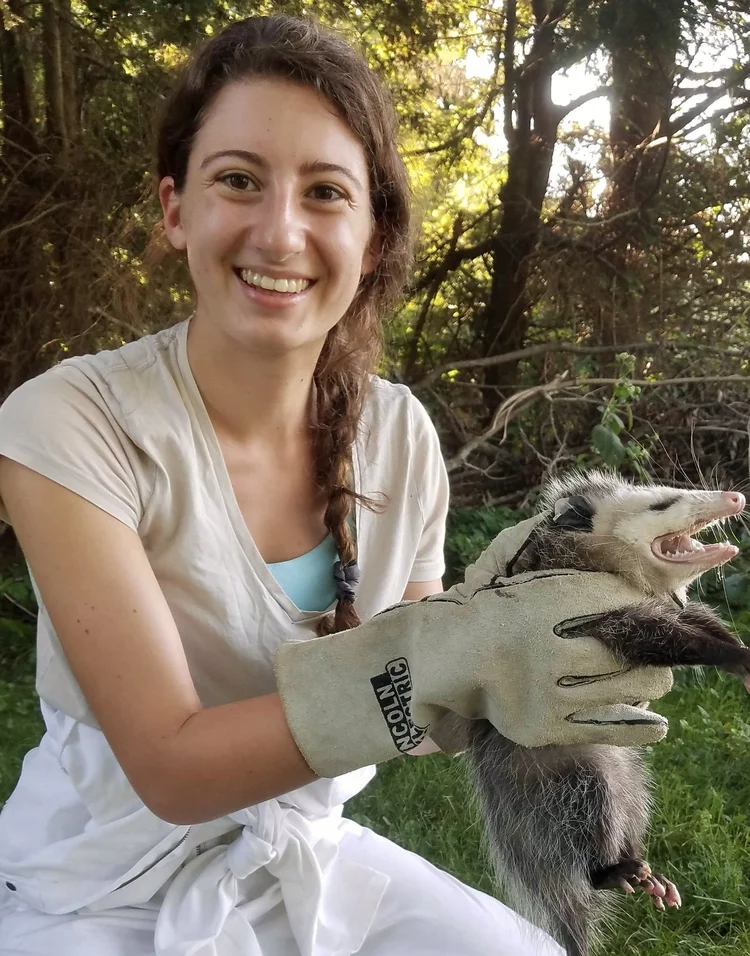
Welcome our new postdoctoral fellow at URI, Dr. Emily BurtonEmily Burton is a postdoctoral fellow in the College of the Environment and Life Sciences at the University of Rhode Island. She recently completed her PhD in Biological Sciences at Washington State University, where she studied the ecology and behavior of blacklegged ticks. As part of NEWVEC, she is collaborating with researchers on the human dimensions of tick-borne disease prevention, including the development of tools to assist decision making in tick control and management. She looks forward to working on projects with direct relevance to the general public. When she isn't working, Emily enjoys hiking, tending to her garden, and reading. |
|
|
|
|
Virtual Cross COE/TEC Vector-borne Disease Student Poster Session
|
|
On September 26, 19 students came from seven centers of excellence (COEs) and training and evaluation centers (TECs) to showcase their research in front of an audience of peers and professionals. NEWVEC students Jaqueline Borges, Sophia Chiaia, Michael Galli, and Nolan Stamborski presented their work, most of which is shown in the posters below.
|
Distribution and Abundance of Piroplasms in White-tailed Deer (Odocoileus virginianus) in Massachusetts Jacqueline Borges is a master’s student in the Laboratory of Medical Zoology at UMass Amherst, where she studies microbiology. She is interested in the mechanisms of parasitic infection and her work focuses on surveillance of protozoan infections in white-tailed deer populations. |
|

|
|
Assessing Cedarwood Oil-based Minimum Risk Pesticides for Managing Blacklegged Ticks in Residential Settings Sophia Chiaia is a master’s student at Western Connecticut State University studying preventative measures for suppressing blacklegged ticks. Sophia’s work focuses on assessing the effectiveness of minimum risk natural products containing cedarwood oil for controlling blacklegged ticks in a residential setting. Outside of research, Sophia is leading a stewardship project to revitalize the Western Connecticut State Westside Nature Preserve and highlight its biodiversity to the community. |
|

|
|
Understanding the Effectiveness of Tick Control Measures on Maine Properties Michael Galli is a master’s student at the University of Maine, Orono, where he studies ticks on residential properties. Mike’s work focuses on how homeowners can protect themselves from Blacklegged ticks (Ixodes scapularis) by changing the landscaping on their property or by using pesticides. |
|
|
|
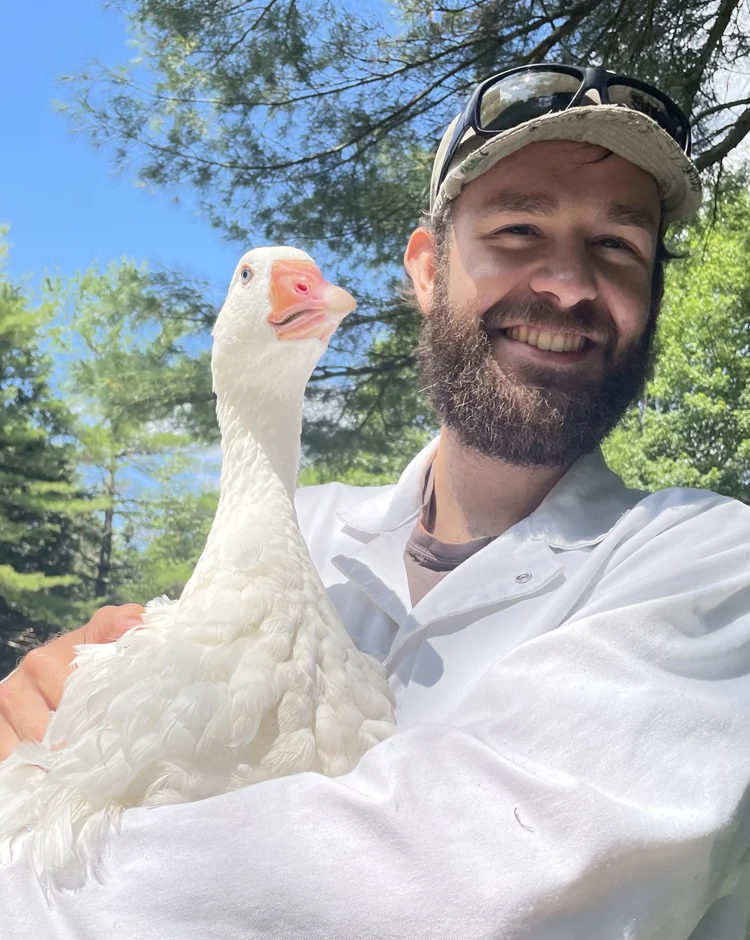
Development of Novel Mosquito mRNA Internal Control for RT-qPCR Arbovirus Detection Assays Nolan Stamborski is a master’s student in the Laboratory of Medical Zoology at the University of Massachusetts Amherst. He is interested in mosquito and arbovirus surveillance. Nolan’s work is centered around diagnostic assay development. |
|

|
|
|

|
Written by Lexi White and Tom Mather, Center for Vector-Borne Disease at the University of Rhode Island |
|
|
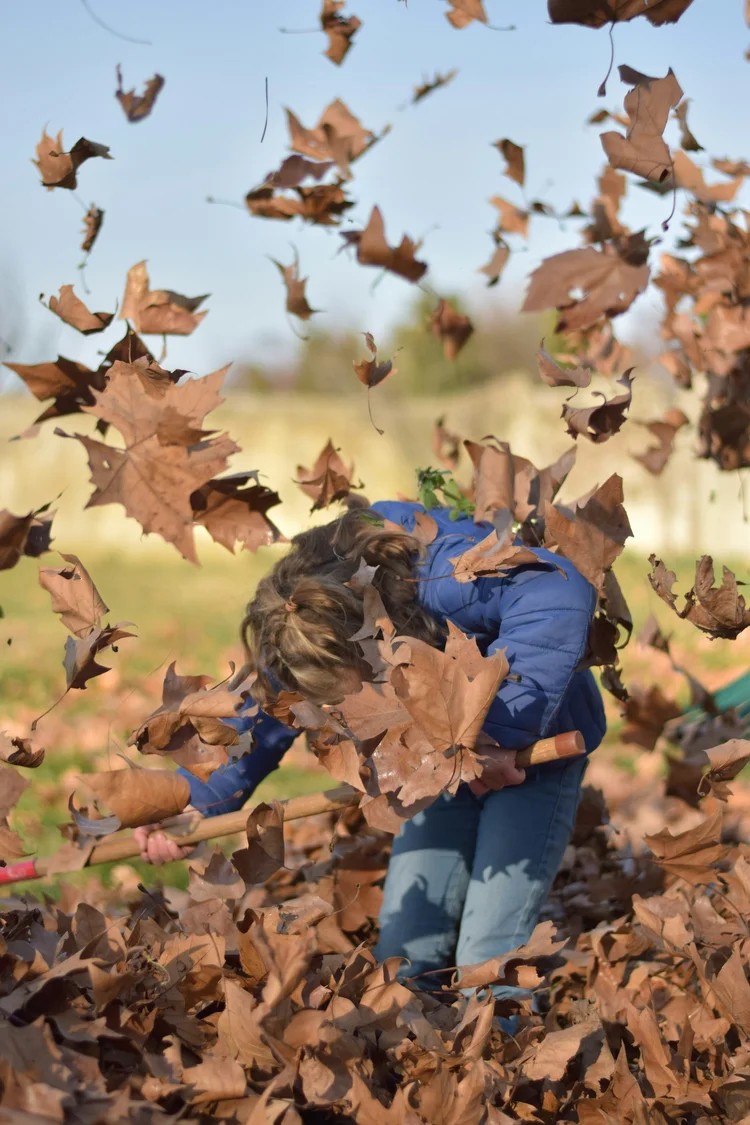
Do you want to create a hospitable environment for pollinators by letting the autumn leaves stay on the ground in your yard? Great! However, that is a perfect place for some tick species to overwinter as well. Instead of bagging up the leaves and removing them from your property entirely, rake them to the edge of the yard, into garden beds, around the base of trees, or anywhere else that you, your family, and pets won’t disturb them. And don’t forget to check for ticks when you’re done! |
|
|
|
|
|
Depending on where you live or play these (right) are the ticks and the likelihood of an encounter during October. Adult blacklegged ticks start their active season usually after the first week of October and it only gets more intense from there, possibly lasting all the way through Thanksgiving. |
|

|
|
|
|
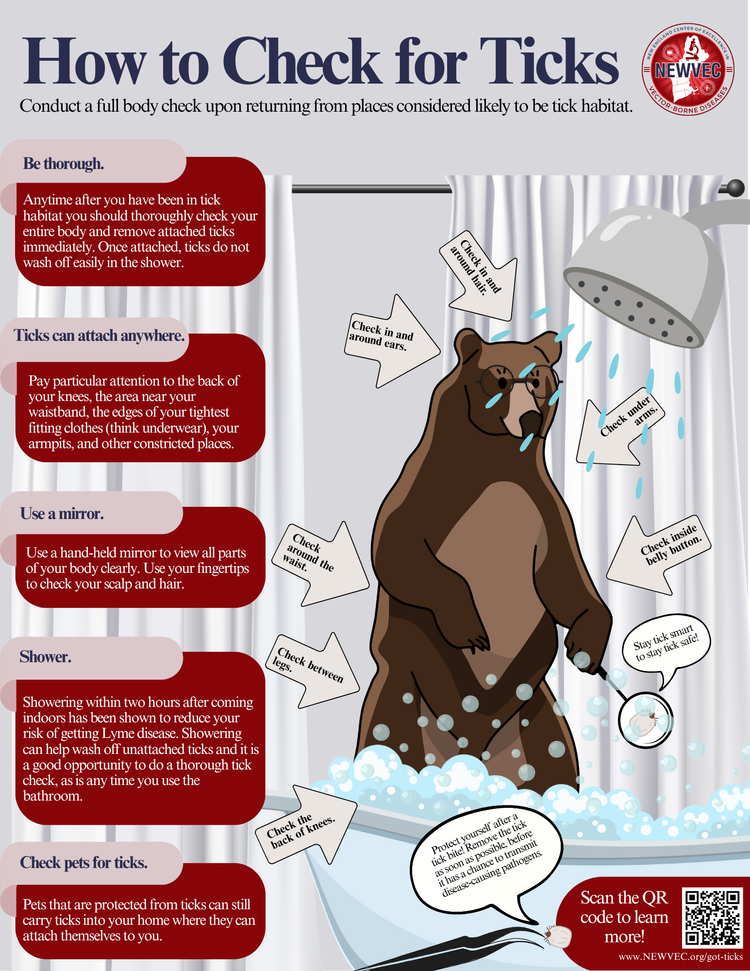
Keep tucking in shirts and pant legs, and check for ticks regularly. Remember, tick bites are preventable. Use repellents that contain at least 20–30% DEET or .5% permethrin. Learn how HERE or download and print this flyer for your home or work space. |
|
|
|
|
|
|
|
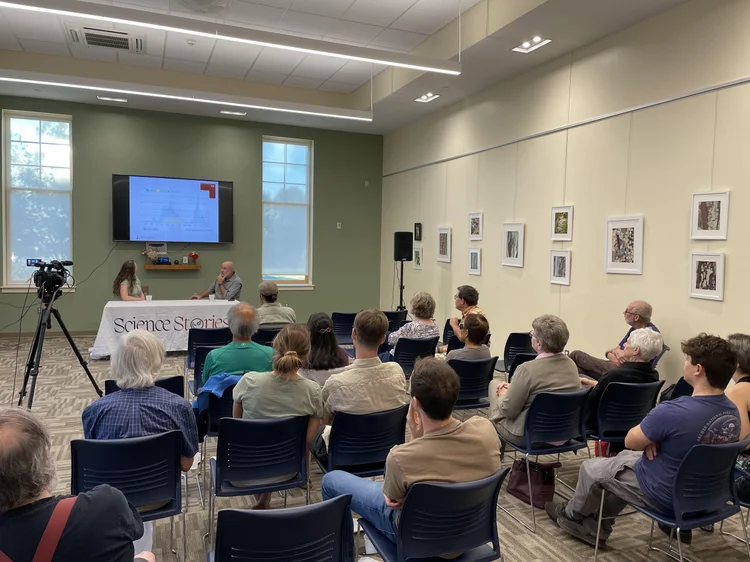
On Friday, September 19th, Hadley Public Library and UMass’s own Science Stories hosted Dr. Rich who talked ticks, diseases, and protection. Watch the interview here. |
|
|
|
|
|
The sixth annual Tick Academy will be held virtually on October 15 and 16, 2025 from 10:00 am to 2:30 pm CDT. The Tick Academy offers participants the opportunity to hear the latest research, explore new tools and strategies and connect with others working to stop the spread of ticks and tick-borne diseases. The two-day virtual conference features eleven professionals representing a range of organizations and disciplines. Speakers will share new developments and research in the field of ticks, followed by interactive live Q&A sessions. This year’s event offers free registration for students along with a virtual student-poster presentation and an online sponsor trade show each day. NEWVEC co-investigator, Dr. Tom Mather, will be the keynote speaker. Register here. |
|
|
|
|
|
NEWVEC, NEVBD, and VectorED have put together the first installment of the Vector-Borne Disease Research & Evaluation Seminar Series. These seminars feature advanced trainees supported through the regional vector-borne disease centers in the northeast and mid-Atlantic. Seminars will feature works-in-progress and recently completed projects conducted by graduate and postdoctoral associates supported through these CDC-funded programs.
Our first seminar is scheduled for October 29, 2025 from 10:00 am–11:00 am ET. Register here. |
|
|
|

|
International Conference on Lyme Borreliosis and other Tick-Borne Diseases in Chicago
|
|
|
|
At the annual International Conference on Lyme Borreliosis and other Tick-Borne Diseases (hosted by the Mayo Clinic, Michigan State University, and the University of North Dakota in September), Sandra Zapata-Ramirez and Sophia Chiaia, masters students from Western Connecticut State University (WCSU), were selected to give featured “poster pitches” of their NEWVEC-funded projects that focus on reducing the human exposure risk to infected ticks.
|

|
Every two weeks this fall we have a different expert taking an hour to talk to us about their work. On October 8 at 11:00 Dr. Alexis White, URI, will present, “Project ITCH in RI: Preliminary Results and Insights,” and on October 22 at 11:00 Johanna Ravenhurst from UMass Amherst, will present, “Project Listen: Investigating Experiences and Challenges of Public Health and Vector Control Professionals in New England.” These talks are online, free, and open to the public. Watch the recordings, or join our next call, at the link below. |
|
|
NEW CDC Resource: Alpha-gal Syndrome
|
|
|
|
To help increase awareness of alpha-gal syndrome (AGS) and more rapidly diagnose patients in the United States, CDC released a new free online training module for healthcare providers (HCPs), epidemiologists, and public health officials. The training includes opportunities for free continuing education in seven professional categories—CME, CNE, CEU, AAPA, CECH, AAVSB/RACE, CPE, and CPH—providing educational credit for physicians, nurses, pharmacists, physician assistants, veterinarians, nurses, epidemiologists, public health professionals, educators, and health communicators. |
|
|
Know someone who would like to receive this newsletter? Send them to the link below!
|
|
|
|